
NODA Learning · Lesson
HER STORY 01 ENGLISH — Forugh Farrokhzad: A Voice Beyond Boundaries
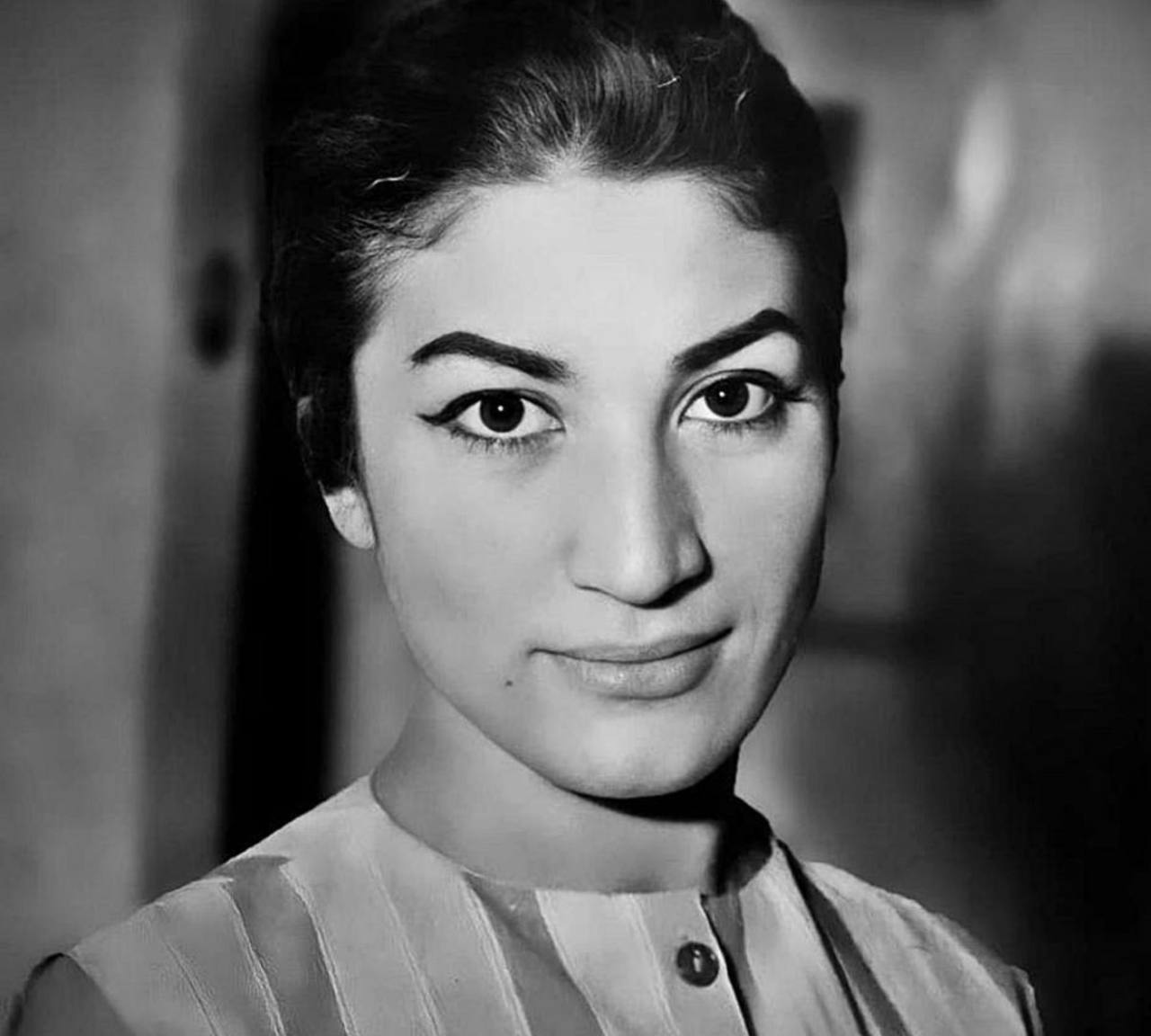
During one of our HER STORY gatherings, Atefeh took us on a journey through the life of Forugh Farrokhzad — a woman who dared to be herself, embrace her emotions, and express her voice through art. Through Atefeh’s research and storytelling, we explored Forugh’s loves, struggles, choices, and achievements, sharing our thoughts and reflecting on them through the lens of our own experiences. Perhaps this is the beauty of our gatherings: another woman’s story becomes an opportunity to understand ourselves and the world around us a little better.
What you'll learn
- The courage to be yourself and find your own voice, even when society does not understand you
- Reflecting on love, freedom, motherhood, and personal independence
- Understanding difficult life choices and the price we sometimes pay for them
- How life’s challenges and experiences can inspire creativity and personal growth
- The power of poetry, art, and words to express the unspoken and move others
- Discovering human beauty and dignity beyond appearances and social judgments
- Finding inspiration in Forugh’s courage to experience, learn, and begin again
- Understanding ourselves better through listening to others, sharing experiences, and meaningful conversations
Forugh Farrokhzad: The Woman Who Found Her Own Voice
During one of our HER STORY gatherings, guided by Atefeh’s storytelling, we explored the life of Forugh Farrokhzad — a woman who, in her short lifetime, experienced life with all its beauty, complexity, and pain, and transformed her inner world into art.
Together, we talked about her loves, choices, loneliness, struggles, and achievements, discovering Forugh not only through her poetry but also as a human being.
Childhood and the First Sparks of Poetry
Forugh was born in Tehran into a large family. Her father was Mohammad Farrokhzad, and her mother was Touran Vaziri-Tabar. She had two sisters and four brothers.
Art had a meaningful presence in the Farrokhzad family. Her brother Fereydoun was a poet, singer, and television presenter, while her sister Pouran was a writer, translator, and researcher.
Forugh began writing poetry at the age of thirteen and attended a vocational school at fifteen, where she studied painting and sewing.
Her early poetry was influenced by Persian classical poets such as Hafez and Saadi. However, discovering Nima Yushij and modern Persian poetry opened a new door for her — one that gradually led her toward discovering her own unique voice.
Love, Marriage, and Motherhood
As a teenager, Forugh married Parviz Shapour, a writer and humorist who later became known for his witty literary expressions. Together, they had a son named Kamyar.
Forugh’s letters to Parviz, later published in The First Loving Beats of My Heart, reveal another side of her personality: a young woman deeply in love, full of passion, dreams, and hope.
However, their marriage did not last, and they divorced in 1955. Being separated from Kamyar became one of the most painful experiences of her life, leaving a lasting impression on her poetry and writing.
In her life, the love of a mother existed alongside a deep desire for poetry, personal freedom, and independence. These were difficult choices that cannot easily be understood or judged from a single perspective.
The Captive: A Voice Begins to Be Heard
The Captive was Forugh’s first collection of poetry. Its poems spoke of love, longing, loneliness, and the desire for freedom.
What makes her poetry so compelling is her willingness to express feelings that many people experience but do not always have the opportunity or courage to share.
Forugh wrote about her own experiences — what she loved, what she had lost, and what she wished for.
Her words remind us of the importance of finding a space where we can express ourselves honestly and without fear.
Sin: Breaking the Silence
One of Forugh’s most controversial poems was Sin.
Its publication generated strong reactions. Forugh had openly expressed feelings and experiences that were rarely considered acceptable subjects for public discussion, particularly when voiced by a woman in Iranian society at the time.
Separation from her husband and child, family and social pressures, and the judgments of those around her marked a difficult period in her life.
This chapter of her story invites us to reflect on an important question: Why is it sometimes so difficult to hear experiences that are different from our own?
Can we listen to another person’s story without immediately judging them?
The Wall: Moving Beyond Limitations
In her second poetry collection, The Wall, we encounter a more mature poetic voice.
Forugh continued to write about love and emotions, but her understanding of the limitations surrounding her was becoming deeper. She seemed increasingly determined to recognize and move beyond the walls standing between herself and her aspirations.
Perhaps each of us has encountered similar walls in our own lives — walls built by society, by our families, or sometimes by ourselves.
Recognizing these walls can be the beginning of meaningful change.
Rebellion: Questioning the World
In her third collection, Rebellion, Forugh’s intellectual world expanded.
Questions about God, destiny, free will, and the meaning of existence began to emerge in her poetry. She was no longer writing only about her personal relationships and emotions. She was questioning existence itself and the place of human beings within it.
This part of her journey reminds us of the value of curiosity.
Growing does not always mean having all the answers. Sometimes, it is the courage to ask questions that leads us toward a deeper understanding of ourselves and the world.
Ebrahim Golestan and the World of Cinema
Meeting Ebrahim Golestan, an Iranian writer and filmmaker, marked a new chapter in Forugh’s personal and artistic life.
Working with Golestan gave her an opportunity to explore a different creative environment and expand her artistic abilities.
She entered the world of cinema, discovering another language through which she could express her poetic vision.
During this period, her perspective gradually extended beyond her inner world and became increasingly connected to the lives and experiences of others.
The House Is Black: Seeing Humanity Beyond Appearances
One of Forugh’s most remarkable artistic achievements was her documentary The House Is Black, created in 1962.
Through this film, she explored the lives of people living with leprosy — individuals whom many people in society preferred not to see.
Yet, in the midst of their suffering and difficult circumstances, Forugh looked for humanity, beauty, dignity, and hope.
The documentary received international recognition and won an award at the Oberhausen International Short Film Festival.
During the making of the film, Forugh met Hossein Mansouri, a young boy whom she later adopted.
This chapter of her life invites us to reflect on empathy and what it truly means to see another human being.
How much of what we believe about others comes from genuinely knowing them, and how much comes from our assumptions?
Can we recognize the beauty and dignity of people beyond their appearance, social circumstances, and differences?
Another Birth: The Possibility of Beginning Again
In Another Birth, we encounter a different Forugh — a woman whose experiences had deepened her understanding of love, nature, humanity, and existence.
The distance between her earliest poems and this collection represents more than an artistic evolution. It tells the story of a person who experienced life, struggled, learned, and discovered a new understanding of herself.
Perhaps one of the most beautiful lessons we can take from Forugh’s journey is the possibility of being born again in our own lives.
We do not have to remain the person we once were.
We can change, continue learning, and discover new ways of seeing ourselves and the world around us.
The End of a Short Life, the Beginning of a Lasting Legacy
Forugh Farrokhzad died in a car accident on February 14, 1967, at the age of thirty-two.
Her life was short, yet what she left behind continues to inspire generations.
Her final poetry collection, Let Us Believe in the Beginning of the Cold Season, was published after her death.
Through her poetry, letters, and cinematic work, Forugh continues to speak to us about love, loneliness, freedom, humanity, and the desire to live.
What Can We Learn from Forugh’s Life?
Getting to know Forugh does not mean that we must agree with every choice she made or follow the same path.
The beauty of listening to other people’s stories is that we can learn from their experiences, ask ourselves new questions, and approach life with a more open mind.
Forugh’s journey invites us to reflect on the courage to be ourselves, the responsibility that comes with our choices, the meaning of freedom, the power of creativity, and the possibility of change.
She was human, with all the strengths, vulnerabilities, dreams, and contradictions that make us human.
And perhaps that is precisely what makes her story worth hearing.
An Invitation to Continue the Conversation
As we share this story beyond our gathering, we invite you to reflect on a few questions:
• Which part of Forugh’s life resonates with you the most? • Are we living according to our own values or the expectations of others? • How can we find a balance between personal freedom and our responsibilities? • Can difficult experiences become the beginning of a new chapter in our lives? • How can we listen to other people’s stories without judging them? • If you could carry one lesson from Forugh’s life into your own, what would it be?
Further Reading and Exploration
• The Captive (Asir) • The Wall (Divar) • Rebellion (Esyan) • Another Birth (Tavallodi Digar) • Let Us Believe in the Beginning of the Cold Season • The First Loving Beats of My Heart • The House Is Black — Documentary
About This Story
Research, storytelling, and presentation by Atefeh
HER STORY Gathering Series
NODA Social Impact Foundation
Through HER STORY, we come together to discover the lives of women, learn from their experiences and achievements, and share our knowledge, reflections, and different perspectives.
Perhaps the beauty of these gatherings lies in how another woman’s story becomes an opportunity to understand ourselves and the world around us a little better.
Every woman has a story worth hearing, and every story has the potential to open a new window into our own lives.
Learn from her life. Reflect together. Grow together.
Discussion
Nothing yetCritique it, agree or disagree, add what it leaves out, or ask. This is where the material gets better — and where you meet the people thinking about the same problem.
Add to the discussion
Checking whether you are signed in…
From Learning to Action
Ways to take part, side by side — start with whichever suits you. None of them is a step you have to finish first.